♦ Welcome! Glad You're Here! ✨ We’ve moved! [OLD HOME: eeschannel.] This is our new home at EESFoodieJournal

DISCLOSURE: These pages contain affiliate links. As an Amazon Associate and an affiliate for other vendors, I earn from qualifying purchases at no extra cost to you. Thank you for your support.

Friday, June 28, 2024

Netflix Series: Korean Fried Chicken Rhapsody

This is the fifth (and final) post highlighting the programs in the Netflix Rhapsody series tracing the origins and evolution of the Korean cuisine that we enjoy today.

Korean Fried Chicken Rhapsody (2024)


In the USA, fried chicken is Southern food comfort and everybody brags that they have perfected the best recipe ever! Not trying to diss my Southern friends and kinfolk, but Korean fried chicken, affectionately referred to as KFC, is a global sensation. It’s crispy on the outside, juicy meat on the inside, with bold flavors, and the recipe has variations. 


One of the most popular variations is yangnyeom chicken, which is coated in a sweet and spicy sauce made from a combination of gochujang (Korean chili paste), soy sauce, garlic, ginger, and other seasonings. This sticky flavorful sauce clings to the crispy chicken. (Admit it! You’re drooling aren’t you?) 


Another variation is ganjang chicken, glazed with a savory soy sauce-based marinade and garnished with sesame seeds and chopped green onions. As can be seen in Korean dramas, it’s a social food served at gatherings, accompanied by beer or soju (Korean rice liquor). Fried chicken restaurants in Korea are known as chimaek joints.


Original source


Saturday, June 22, 2024

Foodie Nuggets: Exotic Fruit: CUCAMELON

A cucamelon is known by many names, such as, Mexican sour gherkin, Mexican miniature watermelon, Mexican sour cucumber, mouse melon, or pepquino.  The taste is described as a cucumber with a touch of sour lime mixed in. Most people use it in salads, pickled, or used in salsa. They are usually eaten raw, but you can cook them lightly and add them to a stir-fry. They can be refrigerated (will last up to 1 month) and frozen (will last up to 3 months).


Image credit:  Amazon.com

Links below supply some additional information and a few recipes you may want to try.


Friday, June 21, 2024

Netflix Series: Korean Jjajangmyeon Rhapsody (2024)

This is the fourth post highlighting the programs in the Netflix Rhapsody series tracing the origins and evolution of the Korean cuisine that we enjoy today.

Korean Jjajangmyeon Rhapsody (2024)


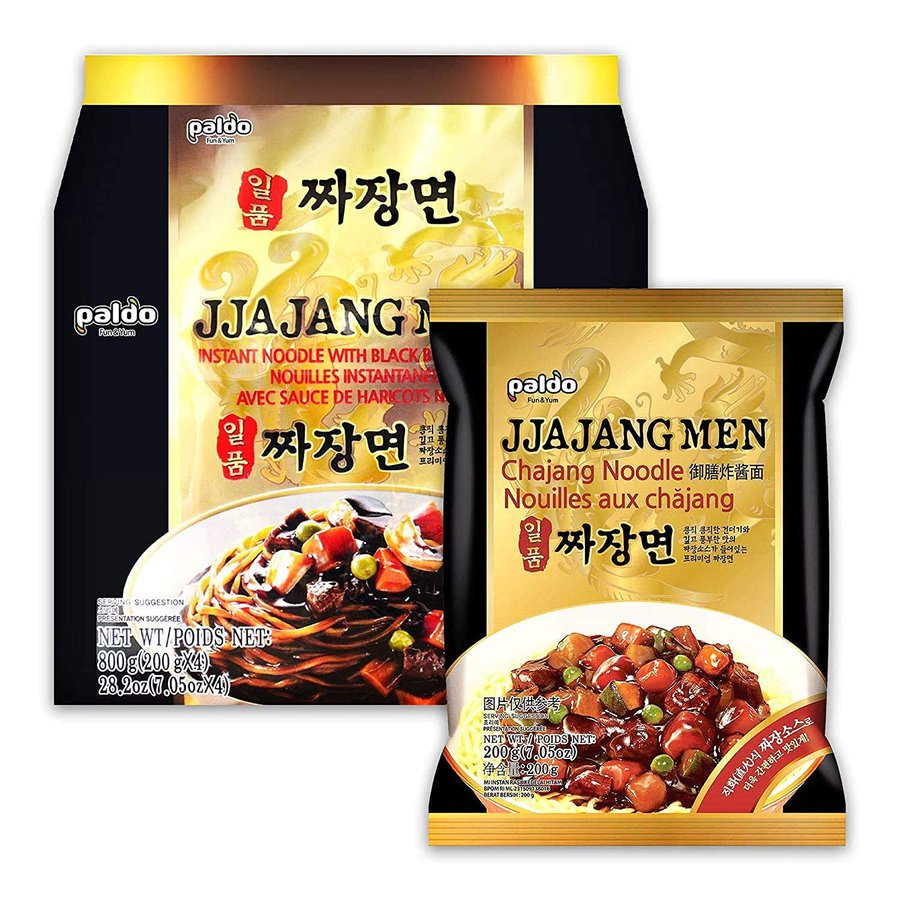
Korean Jjajangmyeon has been described as a culinary experience that embodies the fusion of Korean and Chinese flavors. It is a popular Korean-Chinese noodle dish characterized by its savory black bean sauce. In “Wok of Love” this dish is mentioned frequently. 


Originating from Chinese immigrants in Korea, and is now a staple of Korean cuisine. The dish consists of chewy wheat noodles topped with a thick, glossy sauce made from chunjang, a Korean black bean paste. The sauce is typically stir-fried with diced beef or pork, onions, zucchini, and other vegetables. The blend of umami-rich black bean paste black bean paste, savory meat, and sweet caramelized vegetables can be described as pure harmony and that’s why it is a beloved comfort food. People enjoy it as a standalone meal but can also be paired with other Korean-Chinese dishes.


Original source


Friday, June 14, 2024

Netflix Series: Korean Pork Belly Rhapsody (2020)

This is the third post highlighting the programs in the Netflix Rhapsody series tracing the origins and evolution of the Korean cuisine that we enjoy today.

Korean Porkbelly Rhapsody (2020)


(Image credit:  Whole Foods MarketWhole Foods Market)

Korean pork belly, known as samgyeopsal (삼겹살) in Korean, is a quintessential dish in Korean cuisine and it originates from South Korea. Korean barbecue culture is a favorite among locals and tourists alike. Thick slices of pork belly that are marbled with layers of fat and meat, are usually grilled at the table over a charcoal or gas grill.  The grilling caramelizes the fat, and imparts a delicious smokiness and crispiness to the meat. 


What is samgyeopsal served with? various pickled vegetables, sliced garlic, green onions, fresh lettuce leaves, and ssamjang (a savory and spicy dipping sauce made from fermented soybean paste and chili paste). 


The fun is figuring out your favorite way to eat it! This is a must-try for anyone seeking an authentic taste of Korean cuisine.


Original source

Friday, June 7, 2024

Netflix Series: Korean Hanwoo Rhapsody (2022)

This is the second post highlighting the programs in the Netflix Rhapsody series tracing the origins and evolution of the Korean cuisine that we enjoy today.  Korean Hanwoo Rhapsody ~ part of a Netflix series is intended to trace the origins and evolution of the Korean cuisine that we enjoy today. 

Korean Hanwoo Rhapsody (2022)


Korean Hanwoo is a premium breed of beef cattle native to South Korea. Food lovers praise it for its rich flavor, its exceptional quality, tenderness, marbling, and succulent texture. Hanwoo beef is a source of national pride. As such, South Korea has very strict standards to ensure the superior quality of Hanwoo cattle. Korean farmers are very meticulous throughout the breeding and rearing process. Hanwoo beef is used in a wide range of dishes, from traditional Korean barbecue (galbi) to hearty stews (jjigae) and savory soups (guk). Hanwoo symbolizes prosperity, celebration, and hospitality. It has been deemed a Korean culinary treasure.


Original source

Tuesday, June 4, 2024

5 Exotic Spices From Around the World by Melisa Marzett (Guest Post)

Even though many herbs and spices are now readily available in local grocery stores all around the world or can easily be purchased online, most of us don't know the history of these marvelous cooking ingredients and which country is responsible for introducing these exciting flavors to the global community.  Sharing a brief introduction to five (5) exotic spices:

SPICE Spotlight: Juniper Berries

http://everydayspices.webs.com/apps/blog/show/6664512-spice-spotlight-juniper-berries


1. Asafetida. This is an Asian spice made from the roots of certain species of Ferula. It is a gum-like spice with a very strong and unpleasant smell.  Actually, the name of the spice has a Latin origin, which means “evil-smelling gum”.  Asafetida is common in Indian vegetarian cuisine and is often the main ingredient in rice and bean dishes. Additionally, it has a wide range of medicinal properties and is beneficial for people with digestive disorders, high cholesterol, and/or nervous disorders.  Asafetida is rich in minerals and nutrients, such as iron, calcium, phosphorus, and protein.  Although most chefs and cooks rarely prepare a dish without onion and garlic, some people do not eat onion or garlic.  Certain people are allergic to onions and for some people, garlic causes extreme heart burn.  Asafetida is an ideal spice for those people.  In fact, its smell is similar to both onion and garlic.


2. Dried Avocado Leaves.  This spice (or herb) originated in Mexico. It is one of the most popular spices in Mexican cuisine.  Avocado leaves have an aniseed fragrance; however, these dried leaves are odorless and have a pungent taste. Dried avocado leaves are added to bean or meat dishes. Regarding health benefits, they are useful for people who have kidney stones and hypertension. Noteworthy:  Only certain varieties of avocado leaves are to be used in cooking or for medicinal purposes because some kinds of avocado leaves can contain toxic substances.

Avocado Leaves: A Secret Mexican Ingredient

Avocado Leaves: A Secret Mexican Ingredient

Avocado Leaves: A Secret Mexican Ingredientby Victoria ChallancinLove at First Bite. Like any motivated foodie, I almost made myself sick sampling, musing, and guessing what unknown ingredient I was tasting in what appeared to be an ordinary black bean dip.
3. Epazote. This is another essential spice used in Mexican cuisine. Its extraordinary (or strange) scent can be described as a combination of kerosene, mint, and citrus. Epazote is made from the leaves of Mexican herb called dysphania ambrosioides (aka "Mexican tea").  It is used with bean and meat dishes. Additionally, it can be used in soups.

4. Grains of Paradise. This delicious spice is an integral part of West African cuisine. It is obtained from a flower called Aframomum melegueta. Africans believed that this flower grew in Eden. Grains of paradise look like seeds and have jasmine, citrus, and hazelnut odor. It can be added to meat, fish, and potato dishes.

Ras El Hanout 
Ingredients include over 30 different herbs and spices, such as: 

 Grains of Paradise, Lavender, turmeric, ajawan seeds, kalajeera, ginger, galangal, oris root, rose buds, monk's pepper, cinnamon and more!


5. Juniper Berries. Actually, juniper berries are more likely to be cones than berries. It has the smell of fir and is used for cooking meat dishes, especially stewed rabbit or beef. These “berries” grow on the juniper tree, are common throughout Europe,  included in ancient Greek recipes, and have been found in the Egyptian pyramids.  A wide range of German traditional dishes are cooked with juniper berries.


♦  Hope you enjoyed this intro.
About the writer:  Melisa Marzett works for: bigpaperwriter.com.  She does excellent research and can pen articles and supply blog publishers or website owners with quality content on almost any topic. 

Monday, June 3, 2024

Netflix Series: Korean Cold Noodle Rhapsody (2021)

The Netflix Rhapsody series is intended to trace the origins and evolution of the Korean cuisine that we enjoy today.  To date, there are five (5) rhapsody programs.  An EES blog post will be published to highlight each program.  This is the first post.

Korean Cold Noodle Rhapsody (2021)

cold noodle

Korean cold noodle, known as naengmyeon (냉면) in Korean, originated from North Korea. The dish consists of long, thin noodles made from wheat or buckwheat flour, served in a chilled broth, then topped with various ingredients. 


The toppings can include boiled egg, cucumber, Korean pear, pickled radish, and thinly sliced beef. There are different varieties and the most common variety is mul naengmyeon, which are noodles in a clear, tangy broth made from beef, chicken, or dongchimi (radish water kimchi).


Naengmyeon (cold noodle) is not only revered for its taste but also for its health benefits and cooling properties, making it a particularly popular dish during the summertime. The Korean cold noodle is often served during special occasions, like weddings or birthdays.


Original source

EES Foodie Journal ~ Food Ways ~ Let's Explore Together!